


Before shipping goods from the United States to Europe, exporters need to confirm which pallets meet the destination's regulations and the shipment's handling requirements. One of the first questions, then, is: "What pallets do I need to ship to Europe?"
For regulated solid wood pallets entering the European Union, this generally means approved ISPM 15 treatment and official ISPM 15 markings, along with dimensions and load capacity that accommodate the shipment. While 1200 × 800 mm Euro pallets are widely used in European logistics, exporters can use other sizes if they meet the receiving facility's specifications.
Exporters must also check applicable EU packaging regulations, including the Packaging and Packaging Waste Regulation (PPWR), which covers obligations separate from wood treatment.
ISPM 15, or International Standard for Phytosanitary Measures No. 15, was developed under the International Plant Protection Convention (IPPC) to reduce the spread of harmful pests through wood packaging used in international trade. The standard covers regulated solid wood pallets, crates, skids, and dunnage used to transport or stabilize cargo.
For U.S. exporters, ISPM 15 compliance requirements in Europe include specific treatment and marking rules for regulated wood packaging entering the European Union from non-EU countries. According to the European Commission, this packaging must undergo an approved treatment, carry official ISPM 15 markings, and be made from debarked wood.
However, ISPM 15 compliance only concerns phytosanitary requirements, not pallet dimensions, structural strength, or compatibility with warehouse equipment. Exporters sourcing international shipping pallets should therefore confirm these specifications separately and obtain ISPM 15 pallets from qualified suppliers participating in recognized treatment and marking programs.
The official ISPM 15 mark confirms that regulated wood packaging has received an approved treatment through an authorized certification program.
When inspecting IPPC pallet markings, buyers should look for four components:
The mark must be legible, durable, nontransferable, and visible during inspection. Manufacturer logos, lumber grade stamps, and EPAL markings cannot replace the official ISPM 15 mark.
According to the USDA Animal and Plant Health Inspection Service (APHIS), U.S. exporters can obtain compliant packaging from certified producers or registered treatment facilities. Buyers should also check previously used pallets for repairs or alterations, as changes to their components can trigger additional treatment and marking requirements.
Regulated solid wood pallets entering the EU from the United States require an approved ISPM 15 treatment, with heat treatment being one of the commonly used methods.
For conventional heat-treated export pallets, the USDA APHIS program requires the wood to reach a core temperature of at least 56°C for 30 continuous minutes. Kiln drying can also satisfy this requirement, provided the process follows an approved ISPM 15 treatment schedule and certification requirements.
However, treatment requirements vary by packaging material:
The European Commission also exempts wood measuring 6 mm or less in thickness. Mixed-material packaging containing regulated solid wood components, however, can still require treatment.
Previously treated pallets can generally be reused without retreatment when they remain unaltered and compliant. Under the USDA APHIS export program, repaired or remanufactured wood packaging must undergo treatment again, with the previous markings removed or obscured and new authorized markings applied.
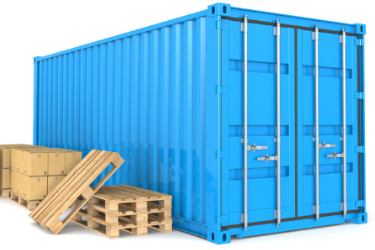
A common European pallet footprint is 1200 × 800 mm, although the preferred euro pallet dimensions vary by shipment. In comparison, a common U.S. pallet measures 48 × 40 inches, approximately 1219 × 1016 mm, which can create compatibility issues with European warehouse equipment and handling systems.
The European Pallet Association (EPAL) maintains specifications for EPAL Euro pallets, including the EPAL 1 model, which measures 144 mm in height and has a safe working load of 1,500 kg. However, meeting the 1200x800 euro pallet specifications for size alone does not make a pallet EPAL-certified.
The standard pallet size for shipping to Europe depends on the receiving facility's requirements. Exporters can use alternative dimensions when permitted by the facility and transportation arrangements, but should confirm compatibility with racking, forklifts, load configurations, and pallet exchange systems.
When selecting pallets for European shipping, exporters should confirm whether the receiving facility requires EPAL certification or accepts Euro-sized pallets. Regardless of the pallet selected, regulated solid wood packaging entering the EU must carry the appropriate ISPM 15 mark, which EPAL branding cannot replace.
The European Union's Packaging and Packaging Waste Regulation (PPWR), Regulation (EU) 2025/40, sets rules for packaging sustainability, waste prevention, recyclability, and reuse. Unlike ISPM 15, which focuses on preventing the spread of pests through wood packaging, the PPWR covers packaging placed on the EU market, including transport packaging.
The regulation entered into force on February 11, 2025, and generally began applying on August 12, 2026. Not all requirements took effect on that date. From January 1, 2030, certain economic operators must meet a 40% reusable transport-packaging target, including applicable pallet use within the EU. The rules contain different provisions and exceptions for particular transport arrangements.
For exporters and pallet suppliers, PPWR pallet requirements raise questions about packaging design, reuse, producer registration, and reporting. The obligations vary according to the business's activities and responsibilities, including whether it manufactures packaging, imports goods, or places packaging on the EU market. U.S. exporters should work with their EU importers and other partners to understand what these requirements mean for their shipments.
Questions about implementation have also led the European Commission to publish guidance, including a notice issued in June 2026 that clarifies selected provisions of the regulation. For further details on EU pallet requirements and their implementation schedules, businesses can refer to the European Commission's packaging guidance and Regulation (EU) 2025/40.

When sourcing pallets for shipping to Europe, exporters should provide their manufacturer with the shipment's dimensions, weight, destination, and handling requirements to obtain an accurate quotation.
For example, a U.S. equipment manufacturer shipping machinery to Germany receives instructions to use 1200 × 800 mm pallets. Although these dimensions match a common European footprint, the manufacturer must also check the machinery's weight, positioning, and stability, while the supplier verifies compliance with applicable wood-treatment requirements.
If standard pallets cannot safely accommodate the machinery, custom pallets can be designed around its dimensions and handling needs. Exporters using wood pallets for international shipping should also verify the EU's applicable wood-packaging import requirements and any customs documentation needed for the goods themselves.
For U.S. exporters, selecting European export pallets comes down to meeting the destination's wood-packaging regulations while ensuring the pallets can withstand the shipment's weight and handling conditions. Checking these details with a qualified manufacturer before ordering helps avoid complications when goods reach their destination.
For pallet manufacturers and suppliers, understanding what exporters need can help them communicate their export packaging capabilities more clearly. Pallet Company Marketing works with pallet businesses to improve their online visibility and reach commercial buyers interested in these services. Businesses looking to strengthen their marketing efforts can request an export marketing strategy session.