

.png)

A pallet plant can have plenty of orders but struggle to keep production moving when there are not enough trained employees on the floor. Staffing gaps can leave shifts short-handed, slow output, and hold up work at critical stages of production.
How pallet manufacturers deal with labor shortages and staffing challenges depends on where they are short-handed. Hiring can fill open positions, while retention, cross-training, scheduling changes, ergonomic improvements, and selective automation can help with other staffing pressures. The right mix depends on the operation. Before choosing a solution, management needs to know where the labor shortage is actually limiting production.

Hiring challenges in pallet manufacturing can become production challenges when a plant does not have enough qualified people to cover key production tasks.
One understaffed stage can slow other parts of the operation, while the absence of an employee with specialized knowledge can leave fewer people able to keep the process running. This creates a production constraint: a point where too few workers, limited equipment capacity, or both hold back production.
These workforce issues can affect pallet production in several ways:
A workforce study from the National Wooden Pallet & Container Association (NWPCA) and the Manufacturing Institute identified recruitment, hiring, and retention as key workforce challenges for wooden pallet companies. The study also looked at solutions companies were using to address those challenges. Understanding the specific constraint makes it easier to decide what to change.
Reducing labor shortages in pallet plants also means making the existing workforce less vulnerable to the loss or absence of any one employee. Cross-training, retention efforts, scheduling, and ergonomics can help create that extra layer of coverage.

One of the main employee cross-training benefits is having more than one qualified person available for important production responsibilities. If only one employee knows how to handle a critical task, being short that person can quickly affect the rest of the operation.
Start with jobs where a staffing gap is most likely to slow or stop downstream work. Plants can maintain records showing which employees have been trained and qualified for particular responsibilities, making gaps easier to identify before coverage becomes a problem.
Most importantly, cross-training should prepare employees to step into other roles safely, not just fill a gap when someone is absent. Anyone taking on a new task still needs the proper training and qualifications before doing the work.
Workforce retention programs can start with understanding what keeps employees in the job and what makes their work harder than it needs to be. Employee feedback can help point to problems with scheduling, training, communication, or advancement that management can realistically improve. What needs the most attention will depend on what employees are experiencing at that particular plant.
From there, changes can focus on the areas employees actually need. Factory shift scheduling flexibility can make it easier to keep needed positions covered when the production schedule leaves room for it. Better onboarding, clearer expectations, continued training, and opportunities to move into more advanced roles can also strengthen the day-to-day experience of the job.
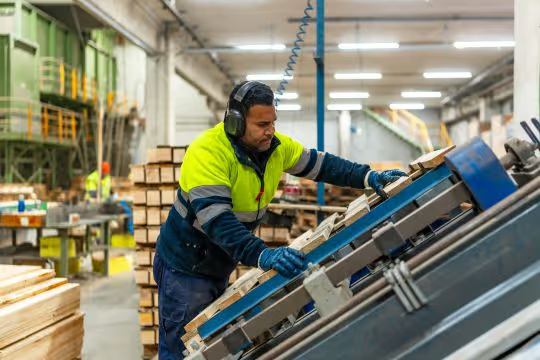
Pallet production often requires employees to lift and move materials, reach for items, and repeat the same motions throughout a shift. OSHA points to repetitive motion, forceful exertion, and awkward or prolonged postures as factors that can put added strain on workers.
For pallet plants, repetitive strain injury reduction means paying attention to these physical demands during everyday production. Changes to tools, equipment, or work practices can reduce unnecessary movements and manual handling while also making some tasks more efficient. OSHA has documented these benefits from ergonomic improvements, although such changes do not eliminate workplace injury risks.
Pallet companies can recruit through several channels instead of relying on the same job posting each time. Over time, they can see which sources bring in candidates who are a good fit for the work.
Those sources can include:
Of course, temporary workers still need proper onboarding and training before taking on the tasks they are assigned.
For a longer-term approach to recruiting, local community colleges, technical schools, and workforce organizations can be great places to connect with potential workers. The U.S. Department of Labor has found community colleges working with apprenticeship programs, with manufacturing among the most common industries represented. Apprenticeship.gov also lists community colleges, workforce development boards, and other organizations as potential partners for employers looking to develop apprenticeship programs or recruit workers.
Give candidates a clear picture of the job before they apply. Spell out the duties, schedule, physical expectations, work environment, and required skills. For companies reviewing this part of their hiring process, writing a pallet assembler job description can help clarify what applicants need to know.
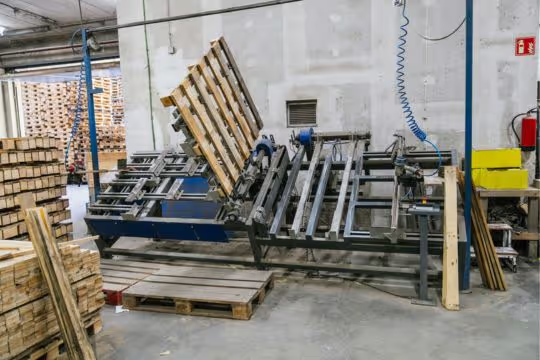
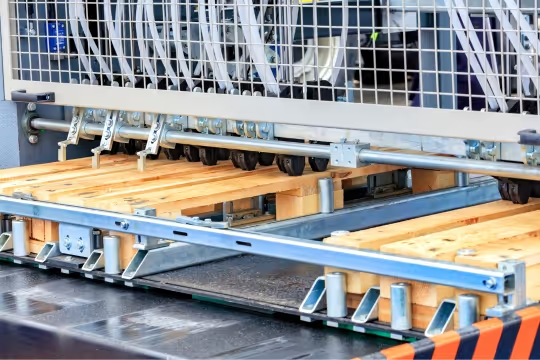
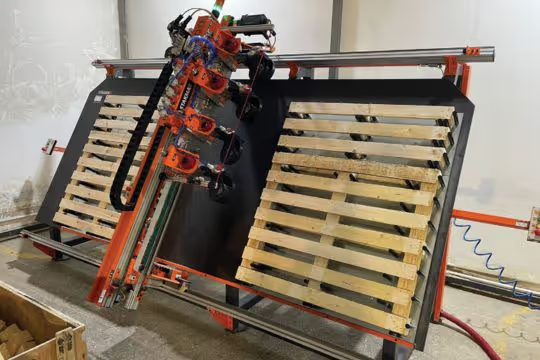
Automation works best when it addresses a specific production or labor problem. A good opportunity for pallet production automation is a repetitive, labor-intensive, or physically demanding step that consistently uses scarce labor. Automated and robotic systems are already being used in pallet production for repetitive tasks such as nailing and stacking, reducing the amount of manual handling required for those parts of the process.
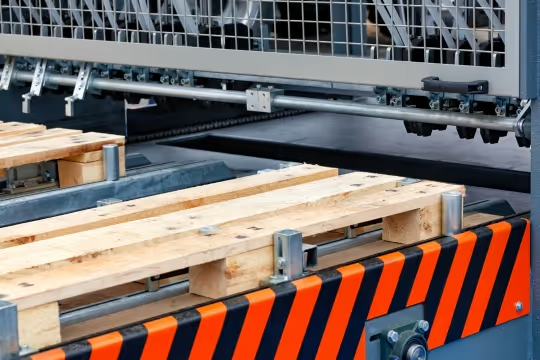
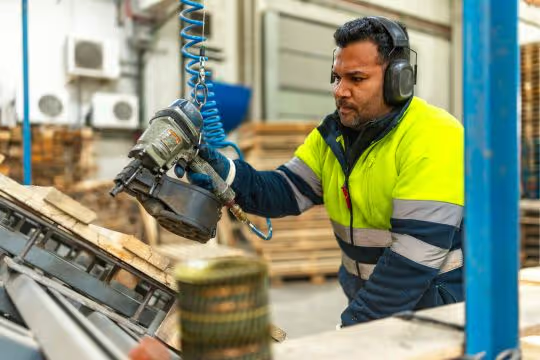
If pallet nailing takes a lot of manual labor or regularly slows production, automated nailing infrastructure can take some of that pressure off workers. The same thinking applies to material movement. Industrial conveyor lines and other material-handling equipment can move products or materials between production stages with less manual handling.
But equipment is only one part of the production flow. Faster nailing will not solve the problem if another step then slows production down. The way materials move through those other steps matters too, both for production and worker safety. OSHA guidance calls for precautions around conveyor hazards such as pinch points, guarding, lockout procedures, and worker training.
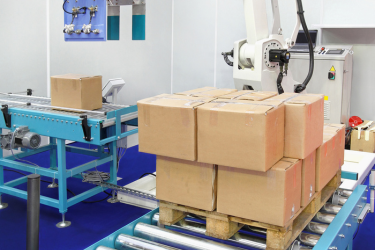
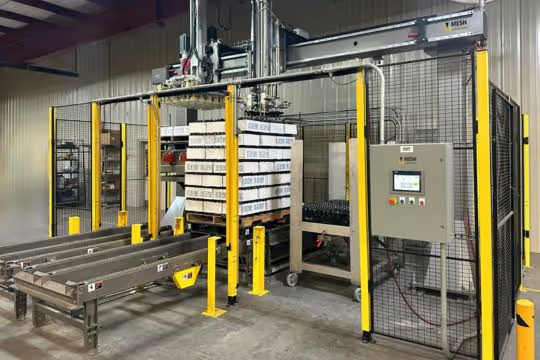
Robotic stacking systems can take over some of the repetitive handling at the end of the production line. This can free up employees for tasks that require more judgment or flexibility.
Pallet companies have also turned to automation when labor shortages interfere with production. One industry case study describes a pallet operation that added robotic dismantling and automated lumber-processing equipment after struggling to find enough workers for several production tasks.
Automation also changes the type of labor a plant needs because the equipment still needs to be monitored, maintained, and troubleshot. OSHA notes that robotic systems can introduce workplace hazards, so proper safety training is important for employees who work with them.
Before investing, ask:
These questions help separate a hiring problem from a process problem. An open position may call for better recruiting or retention, while a production step that repeatedly uses scarce labor and slows output could be improved through process changes or automation.
Improving productivity in pallet manufacturing operations does not have to come down to choosing between hiring people and buying equipment. Both can tackle different problems.
Start by looking at where the operation is most vulnerable:
From there, management can choose the right response, whether that is temporary labor, cross-training, better recruiting, process changes, or automation.
Pallet manufacturers have several ways to deal with labor shortages, from retaining and cross-training employees to expanding recruiting, adjusting schedules, reducing manual handling, and automating certain tasks. Which strategies are useful will come down to where the plant is short-handed or where production keeps slowing down.
Before making changes, management needs to know where staffing shortages are affecting production. From there, they can focus on what would actually improve the situation. For pallet companies that want to share useful industry knowledge with customers and prospects, Pallet Company Marketing’s professional blog writing services can help turn relevant industry topics into content written for the people you want to reach.