

Grade A and Grade B recycled pallets can serve different purchasing needs, but the distinction isn't always clear from a supplier's quote. A higher grade typically costs more, although a lower-priced option could still meet the requirements of a warehouse or distribution operation.
If you're asking, “what grade of recycled pallets should I buy?” the answer depends on your load requirements, handling equipment, customer specifications, appearance expectations, and budget. Grade A recycled pallets generally have a cleaner appearance and fewer visible repairs, while Grade B recycled pallets allow more wear and repairs. The grade alone doesn't tell buyers how much weight a pallet can safely carry or whether it meets their handling requirements.
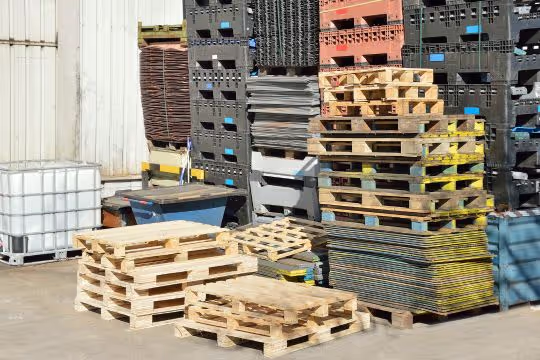
Recycled pallet grades help suppliers classify used pallets according to their condition, appearance, and previous repairs. Before resale, recovered pallets are typically inspected and sorted, with damaged units repaired when necessary. Many recycled pallets use the common 48 × 40-inch GMA-style footprint, historically associated with the Grocery Manufacturers Association.
However, recycled GMA pallets of the same size can have different board thicknesses, deckboard layouts, and repairs. In July 2026, Pallet Enterprise reported that recyclers were discussing more consistent pallet grading standards as customers pushed for clearer definitions and better quality. For now, Grade A and Grade B classifications can still vary among suppliers.
Grade A pallets, also called Number 1 GMA pallets by some suppliers, typically retain their original stringers without companion stringer repairs. Other repairs, such as metal repair plates, may still be permitted under the supplier's grading criteria. These pallets are commonly used in distribution operations where customers require a uniform appearance or limit the types of repairs they accept.
Grade B pallets, also called Number 2 pallets by some suppliers, commonly include repaired stringer pallets with additional wood reinforcing damaged structural members. The types and number of permitted repairs vary by supplier. A companion stringer is a piece of wood attached alongside a damaged stringer to reinforce it. Repairs can use full-length or shorter pieces based on the location and extent of the damage.
Some suppliers also use the term ‘companion board pallets’ for pallets with additional wooden repair boards. Buyers should confirm which components were repaired and whether the repairs meet their requirements.
The difference between grade a and grade b pallets comes down to four main factors:
When comparing grade a vs grade b pallets, buyers should check each supplier's grading criteria, repair allowances, and construction specifications.
Pallet appearance matters when customers have specific standards for cleanliness and condition. In retail distribution, receiving facilities can set their own pallet quality requirements, including limits on wear, acceptable repairs, and dimensional tolerances. Pallets that fail these requirements can be rejected upon delivery.
Food and beverage operations also have specific cleanliness requirements. Pallets with dirt, debris, or signs of contamination can be rejected, regardless of their grade. Buyers should check the applicable food safety and customer requirements before ordering.
Clean manufacturing facilities and controlled warehouses also have requirements for dirt, loose wood, and damaged components. Ordinary discoloration and surface wear don't always disqualify a pallet, provided it meets the facility's cleanliness and quality standards.
Before paying more for Grade A pallets, buyers should check their customers' requirements for appearance, cleanliness, and repairs.
Lower-cost recycled pallets are a good option when they meet the operation's load and handling requirements. For example, a warehouse using forklifts to move products between storage areas can use Grade B pallets with properly repaired stringers, provided they're suitable for the loads being moved.
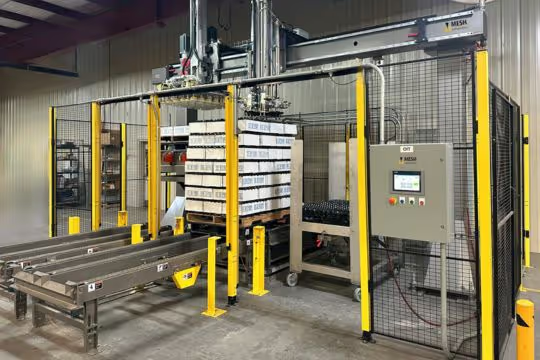
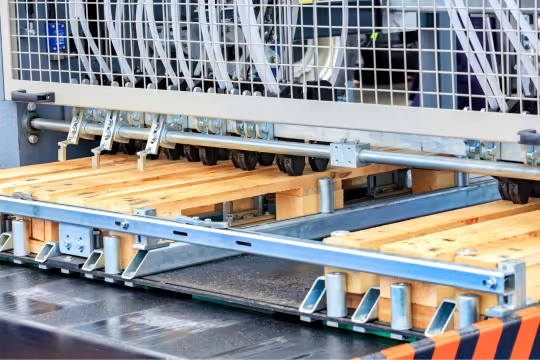
A distribution center using automated conveyors and pallet-handling equipment has different needs. These systems require pallets that meet the equipment's dimensional tolerances and construction specifications, so the lower-priced grade isn't always the best choice.
Reconditioned pallets are another option when previously used pallets have been inspected, repaired as needed, and priced to reflect their condition. Recycled 48x40 wood pallet pricing varies with grade, repair allowances, order quantity, regional availability, and freight costs.
However, choosing the lowest quote can lead to higher expenses from rejected deliveries, damaged products, additional handling, and more frequent pallet replacements.
To assess used pallet quality, buyers should inspect sample pallets and agree on acceptance criteria before placing recurring orders. Woodpack Global's Uniform Standard for Wood Pallets provides guidelines for pallet construction, workmanship, and repairs.
A pallet that handles an evenly distributed load on a warehouse floor isn't necessarily suitable for concentrated loads or storage in pallet racks. Repaired pallets are acceptable when the repairs meet the buyer's specifications and load requirements. When buying recycled wood pallets, purchasing managers should agree with suppliers on acceptable defects, repair limits, and how pallets that fail inspection will be handled.
When comparing recycled vs new pallets, buyers should look past appearance and price to assess strength and suitability for their operations. Load capacity depends on pallet design, materials, condition, repairs, and how the pallet is loaded and supported.
For buyers comparing options, the following factors matter:
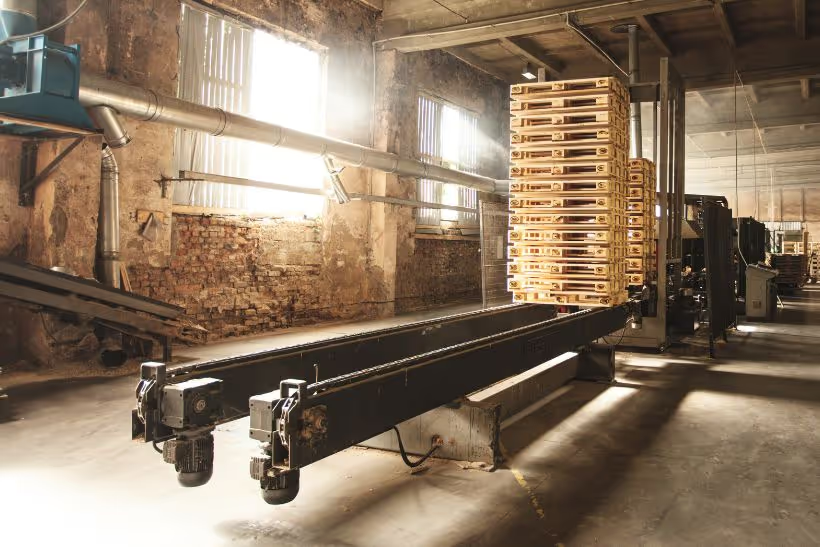
Remanufactured wood pallets are assembled from reclaimed pallet components, while reconditioned pallets retain their original structure and are repaired as needed. When assessing remanufactured pallet quality, buyers should check the finished pallet's design, construction, and load capacity.
New pallets are a better choice when recycled inventory can't meet the required design, dimensional tolerances, or other specifications. Buyers comparing wood and plastic pallets should also look at how each material holds up during handling and repeated use, including any relevant recycled pallet durability standards.
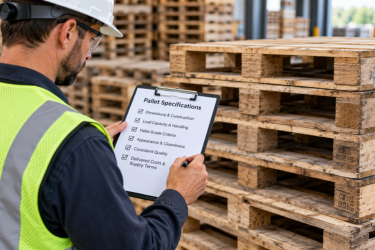
A written pallet specification helps suppliers understand your requirements. Instead of requesting Grade A or Grade B pallets alone, ask suppliers to confirm the following details before providing a quote.
For international shipments, buyers should confirm whether the destination country requires wood pallets to meet ISPM 15 treatment and marking requirements, as outlined by USDA APHIS. Repaired or remanufactured pallets also need to meet the applicable treatment and marking requirements, which can include retreatment and remarking after modifications. These rules generally don't apply to domestic U.S. shipments.
Choosing between Grade A and Grade B pallets comes down to what your operation needs and what each supplier offers. Grade A can justify its higher price when customers require stricter appearance or repair standards. For less restrictive applications, properly repaired Grade B pallets offer a lower-cost alternative.
Before placing an order, review the supplier's written specifications to confirm you're getting pallets that meet your requirements. For pallet suppliers, clearly explaining their products and grading criteria helps buyers understand what they're getting. Pallet Company Marketing provides strategic marketing for pallet suppliers to help businesses communicate their offerings and attract qualified commercial inquiries.